A garage door can look simple from the driveway, but smooth operation depends on several parts moving in agreement. When alignment begins to drift, the change is usually subtle at first. The door may sound rougher on cold mornings, pause halfway, or close with a slight twist before settling. Months later, the same door may bind in the tracks, strain the motor, or leave a gap that invites dust, moisture, and frustration.
That gradual decline is what makes garage door alignment worth paying attention to. Most owners do not think about it until the door is noisy, crooked, or stuck. By then, the opener may already be working harder than it should. The practical goal is not perfection. It is consistency. A well-aligned garage door should travel evenly, close reliably, and avoid unnecessary stress on rollers, tracks, hinges, and the opener.
In coastal and humid areas, this matters even more. Salt air, humidity, and heat can affect garage door hardware and increase maintenance needs. You do not need dramatic damage for operation to suffer. A little corrosion here, a slightly loose bracket there, and normal wear over time can be enough to change how the door moves. That is why smooth operation is less about one big repair and more about small corrections made before they turn expensive.
What alignment really means in daily use
When people talk about garage door alignment, they often mean different things. Sometimes they are referring to a door that looks uneven when closed. Sometimes they mean a door that rubs the track, chatters as it rises, or reverses before it touches the floor. In practice, alignment is the relationship between the door sections, the tracks, the hardware that guides the door, and the opener that pulls or pushes it.
A door can still open and close while being slightly out of line. That is why alignment problems often go ignored. The issue is not whether the door moves at all. The issue is whether it moves evenly and without extra strain. A door that leans or drags may still complete a cycle, but every trip adds wear. Over time, that extra load can show up as loose fasteners, noisy rollers, poor sealing, and a motor that sounds more labored than it used to.
The best clue is usually a pattern. If the bottom edge does not sit square to the floor, if one side reaches the ground before the other, or if the door hesitates at the same point every day, there is a reason. The door is telling you that one part of the system is no longer moving in step with the rest.
Why smooth travel matters more than most owners expect
A garage door is one of the largest moving parts in a home. Even though the verified facts here do not support broad technical claims about every door design, experience shows that any large moving door benefits from balanced, predictable movement. When the path is clean and the hardware stays in proper relation, the opener is not forced to compensate.
That matters because garage door opener repair is often connected to problems that did not start in the opener itself. The motor gets blamed because it is the visible machine, but a struggling opener may simply be reacting to resistance elsewhere. If a door is binding or the alignment has shifted, the opener may become noisy, inconsistent, or unreliable. Replacing a motor without dealing with the underlying drag can leave the root issue untouched.
There is also a quality-of-life side to smooth operation. A door that closes properly saves time, reduces second-guessing, and avoids the routine of pressing the remote twice because the first close cycle failed. If you have ever driven away wondering whether the garage is fully shut, you already know the value of a door that behaves the same way every day.
The slow ways alignment changes over time
Most alignment problems do not arrive overnight. They build from weather, use, and age. In places where heat and humidity are common, materials expand and contract, metal hardware weathers, and moving parts can become less cooperative. Salt air adds another layer of stress in coastal environments. None of that means every door will fail early. It means maintenance matters more than many owners assume.
Normal use also adds up. A door might open and close several times a day. Across a year, that is a lot of movement through the same tracks, hinges, and rollers. Tiny shifts that seem harmless can become noticeable after enough cycles. One slightly loose fitting can allow vibration. Vibration can encourage more movement. Then the door starts sounding different, and by the time the owner notices, the system has been compensating for a while.
Repairs can influence alignment too. Replacing one worn component can improve operation, but mismatched wear remains a real consideration. This is especially important with springs. Industry and safety guidance make clear that garage door springs are under high tension and are dangerous to adjust or repair without proper training and tools. Guidance also indicates that when one spring breaks, both springs may need replacement because they usually wear at a similar rate, and mismatched springs can create balance problems. That point matters because balance and alignment are closely connected in real-world operation.
When the symptoms point to alignment, not just annoyance
A garage door rarely says, in plain terms, “I am out of alignment.” Instead, it gives indirect signs. Some are visual, others are audible, and a few appear in the way the opener behaves.
Here are common patterns worth noticing:
The door looks uneven when closed, with one side sitting differently from the other. The movement is jerky, noisy, or hesitant at the same spot during travel. The opener seems to strain, or the door does not close in one smooth cycle. The door reverses or leaves a visible gap, leading to a garage door not closing properly. The hardware shows signs of weather-related wear, especially in humid or coastal conditions.These signs do not all prove the same cause. A gap at the floor can have one explanation, while repeated hesitation midway can have another. Still, they all justify a closer look, because smooth operation depends on the whole system working together.
One homeowner I spoke with years ago described the problem perfectly without using technical language. She said, “It still works, it just doesn’t feel confident anymore.” That is often the stage where intervention helps most. The door still moves, but it no longer travels with a clean, even rhythm. Catching it there can prevent a more disruptive failure later.
The opener is part of the story, not the whole story
Modern owners tend to focus first on remotes and motors, which makes sense. Automation is the part they touch every day. In the Gold Coast area, service providers commonly handle repairs, servicing, installations, and replacement of parts such as motors and remotes, and some also offer automation upgrades for existing garage doors. That reflects the way many garages evolve. A manual or older door can be upgraded, and a failing motor can be replaced when needed.
Still, garage door opener repair should be approached with context. If the opener is failing because age has caught up with it, replacement may be the right answer. If the opener is failing because the door is dragging or out of balance, replacing the motor alone may not solve much. The opener may perform better briefly, but it will continue to work against the same resistance.
That is why a good service call is usually less about a single part and more about how the system behaves as a whole. Is the door traveling evenly. Does it sit square. Does it close fully. Is the strain coming from the motor, or is the motor reacting to a mechanical issue. Those are practical questions, and they often separate a lasting repair from a short-lived one.
Why springs deserve special caution
Any discussion about smooth operation eventually reaches springs, and this is the part where restraint matters. Springs play a major role in how a garage door moves and feels, but they are not a casual DIY item. Safety guidance is clear that garage door springs are under high tension and are dangerous to adjust or repair without proper training and tools.
That danger is easy to underestimate because the spring may look like a simple coil or a compact piece of hardware. It is not the appearance that matters. It is the stored energy. A spring failure can instantly change the way a door carries weight and travels. If one spring breaks, balance can change sharply, and guidance indicates that replacing both springs may be appropriate because they usually wear similarly. Keeping an old spring paired with a new one can create balance issues, which then affect how the door A1 garage doors gold coast qld runs.
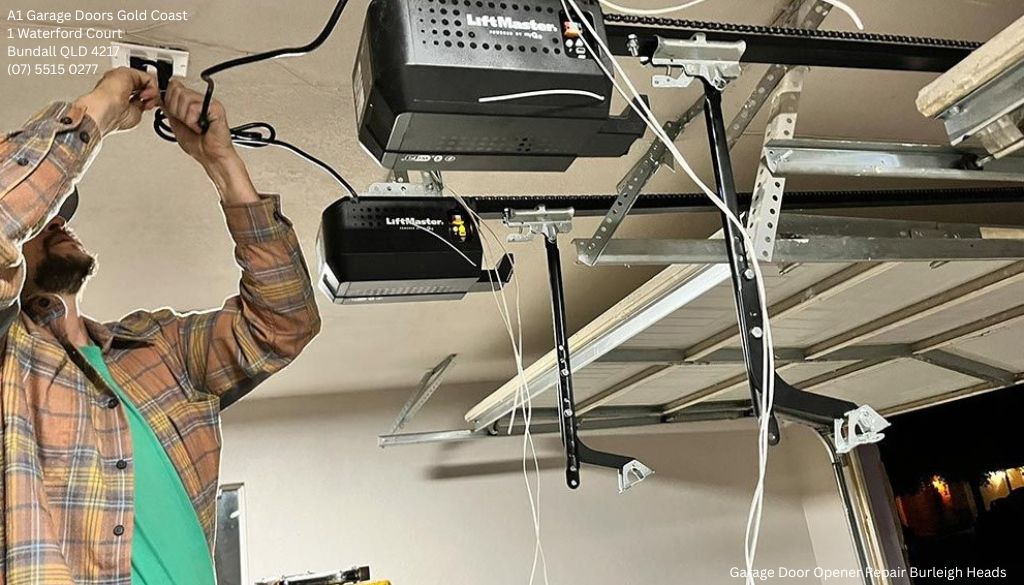
For owners trying to fix garage door problems on their own, this is the dividing line. Cleaning around the door, watching for patterns, and noting changes in movement are reasonable. Spring adjustment and spring replacement belong to trained professionals.
What owners can reasonably check without turning a small issue into a dangerous one
There is a useful middle ground between ignoring the door and trying to dismantle it. Owners can observe a lot without disassembling anything. The goal is not to perform a full repair. It is to notice whether the door’s behavior has changed, and whether professional service is a sensible next step.
A simple check can include the following:
Watch the door open and close fully, and note whether one side lags or twists. Listen for new scraping, grinding, or repeated hesitation at the same point. Look for visible gaps when the door is closed. Check whether heat, humidity, or coastal exposure seem to coincide with rougher operation. If the opener has become unreliable, consider whether the door itself appears to be dragging or misaligned.That kind of observation is surprisingly valuable. Many service appointments go faster when the owner can say, “It started reversing last month,” or “The left side reaches the ground first,” rather than simply, “It’s making a noise.” Specific patterns help narrow the issue.
The local climate factor owners often overlook
Climate affects garage doors more than many people expect. Verified local service information from the Gold Coast points directly to salt air, humidity, and heat as factors that can affect garage door hardware and increase maintenance needs. That may not sound dramatic, but it has practical consequences over time.
Metal components do not need to fail completely to become less cooperative. A slightly weathered bracket or fitting can contribute to vibration. Humidity can make a door feel different across seasons. Heat can change the way components settle and move. In a benign environment, a small defect may stay small for a long time. In a harsher one, the same defect may progress faster.
This is one reason yearly servicing is often recommended. At least one Gold Coast garage door business recommends professional servicing every 12 months to help prevent breakdowns and extend the life of the door and motor. That interval is sensible because it catches wear before a homeowner is dealing with a door that will not close properly on a workday morning.
Servicing versus waiting for failure
There is a common instinct to leave a garage door alone until it stops working. That approach can save money in the short term, but it often creates less convenient repairs. A noisy door that still works is easy to postpone. A door stuck half open is not.
The value of servicing is not that it guarantees zero issues. No moving system offers that promise. The value is that it gives hardware, alignment, and motor performance a periodic review. In the same way people service other large mechanical systems before they fail completely, garage doors benefit from checks that are based on wear rather than crisis.
This is also where the language of “repair” can be misleading. Not every visit is a dramatic fix garage door appointment. Sometimes the right job is adjustment, inspection, or replacement of a worn component before it causes a chain reaction. A small correction made early is often easier on both the door and the owner’s schedule than a rushed repair after a breakdown.
Replacement decisions are rarely just about age
When owners ask whether they need repair or replacement, they often expect a simple age-based answer. Real decisions are usually more nuanced. In the Gold Coast market, services commonly include replacement of motors, remotes, springs, and other door-related components. That suggests a practical repair culture rather than an all-or-nothing one. Parts can often be renewed when the rest of the system still makes sense to keep.
The better question is whether the failing part is the real cause of poor performance, and whether the rest of the door can support a lasting repair. If the motor is tired but the door tracks smoothly, a motor replacement may restore reliable operation. If the spring setup is worn and balance is inconsistent, spring work may be necessary, handled professionally because of the safety risk. If several issues are interacting, the most effective solution may involve more than one component.
What matters is resisting the temptation to treat every symptom as an isolated problem. A garage door not closing properly may be about alignment, opener strain, weathered hardware, or spring-related balance. The symptom is obvious. The cause takes judgment.
Practical judgment beats guesswork
One of the hardest parts of garage door maintenance is that the system can keep functioning while hiding the seriousness of the wear. A door may still open every day and yet be placing more load on the opener than it should. Owners tend to adapt. They press the remote again. They pull the door down by hand once in a while. They live with the noise. Over time, the abnormal becomes normal.
Professional insight matters because pattern recognition matters. A trained technician sees whether the issue is isolated or systemic. They also know where the safety boundary sits. That is especially important with springs, where improper handling can be dangerous. It is also important with motor and automation issues, because replacing parts without correcting door behavior can waste money.
There is a practical difference between wanting to fix garage door trouble and knowing which part actually needs attention. Observation gets you part of the way. Experience closes the gap.
What long-term smooth operation usually comes down to
Over the long run, smooth garage door performance is less about luck and more about timing. The doors that age best are usually the ones that get attention while problems are still small. They are not necessarily newer doors or more expensive ones. They are doors whose changes in sound, movement, and closing pattern are noticed early.
That means accepting a few realities. Weather matters. Coastal conditions can accelerate wear. Openers are not always the root cause. Springs are a serious safety item and not a casual home repair. Annual servicing is often a smart interval, especially in harsher environments, because it can help prevent breakdowns and extend the life of both the door and the motor.
A garage door does not need to be silent or flawless to be healthy. It needs to move evenly, close properly, and avoid making the motor carry problems it was never meant to solve. When alignment stays true and the system is serviced before trouble becomes obvious, the result is not dramatic. It is better than dramatic. It is uneventful, which is exactly what most people want from a garage door every morning and every night.