A garage door rarely fails all at once. More often, it starts with small changes that are easy to dismiss. The door sounds rougher than usual. It pauses for no obvious reason. The bottom edge does not sit quite right when closed. The opener works harder, and the cycle becomes less smooth month by month. Those early signs often point to one underlying issue: garage door alignment.
Alignment is not just about whether the door looks straight from the street. It affects how evenly the door moves, how well it closes, how much stress reaches the motor, and how long the rest of the system lasts. When a homeowner says the garage door is not closing properly, the problem may involve the opener, the springs, or another worn part, but alignment deserves attention because it influences the whole system.
That is why alignment services matter. They are not cosmetic. They are a practical step toward long-term reliability, fewer breakdowns, and less strain on the hardware that people tend to notice only after it stops working.
Why alignment problems tend to spread
A garage door is a moving assembly, not a single part. When one section runs unevenly, the rest of the system compensates. The opener may pull harder. Hinged sections may stop moving in sync. A closing issue that starts as a small misalignment can become a broader repair job if it is ignored long enough.
In day-to-day service work, this is a familiar pattern. A customer often calls for garage door opener repair because the motor seems to be the obvious problem. The remote still works, power is present, but the door hesitates or reverses. Sometimes the opener does need repair or replacement. In other cases, the motor is only reacting to a door that is no longer moving cleanly. An opener can only do so much when the door itself is out of line or unbalanced.
This is one reason experienced technicians usually look at the full operating condition instead of focusing on a single symptom. A door that drags, binds, or closes unevenly can shorten the service life of connected components. Reliability comes from the system working together, not from replacing one part at a time without checking the root cause.
What “alignment” really means in practical terms
Homeowners often use the word alignment loosely, and that is understandable. In practical service terms, alignment refers to the door moving in a controlled, even way through its travel and meeting its closed position correctly. It should not rack, twist, or sit unevenly at the floor. It should open and close without obvious strain, and it should not force the opener to do all the work.
The most important point is that alignment is functional. A door can still open while being slightly off, yet continue wearing down the parts around it. That is why waiting for complete failure is expensive. By the time the system stops working, what could have been a targeted service visit may have turned into multiple repairs.
This matters A1 Garage Doors Gold Coast Pty Ltd even more in places where hardware is exposed to challenging conditions. In the Gold Coast area, service providers note that salt air, humidity, and heat can affect garage door hardware and may increase maintenance needs. Those conditions do not guarantee failure, but they do make regular checks more valuable. A door that operates reasonably well in mild conditions may show alignment-related wear faster when corrosion and weather exposure are part of the picture.
The signs owners usually notice first
Many alignment issues announce themselves quietly. The door may still function, but it no longer feels right. People often adapt to that change for months before they call.
A few signs tend to stand out:
- the garage door is not closing properly or leaves an uneven gap the opener sounds strained or the door movement becomes jerky the door appears uneven during travel or when fully closed the system starts needing repeated minor adjustments the door’s behavior changes with no obvious issue from the remote or power supply
None of those signs proves alignment is the only problem, but together they point toward a system that needs inspection. It is easy to assume the motor is failing because the opener is the part people hear most clearly. Yet a noisy or struggling opener may be responding to resistance elsewhere.
When alignment and opener problems overlap
The relationship between alignment and opener performance deserves more attention than it gets. People often separate them into two categories, door problem and motor problem, but that line is not always clean.
A door that moves unevenly can place extra demand on the opener. Over time, that can lead to premature wear or make an existing opener issue more obvious. On the other side, a weak or aging motor can reveal a door that was already borderline in its operation. That is why garage door opener repair and garage door alignment often end up in the same service conversation.
Gold Coast service providers commonly offer repairs, servicing, installations, and replacement of components such as motors, remotes, and springs. That range of work reflects the reality of these systems. A reliable fix does not come from guessing. It comes from identifying whether the opener is causing the trouble, whether the door is moving out of line, or whether both are affecting each other.
There is also a practical reason to address alignment before replacing an opener unnecessarily. If the door itself is operating poorly, a new motor may inherit the same strain the old one was under. Replacing equipment without correcting the movement problem can leave the homeowner with a newer component attached to the same underlying issue.
Springs are often part of the conversation, and they are not a DIY area
Any serious discussion of alignment has to include a plain warning about springs. Springs are standard repair items, and spring replacement is commonly offered by garage door services in the Gold Coast area. They are also dangerous to adjust or repair without proper training and tools because they are under high tension.
That point cannot be softened. If a spring breaks or if a door shows signs that may involve spring tension or balance, the safe path is professional service. This is not like replacing a remote battery or testing whether the opener has power. The risk is real.
There is another detail that catches homeowners off guard. When one spring breaks, both springs may need replacement because they typically wear in a similar way, and mismatched springs can create balance problems. That matters directly to alignment and long-term reliability. Replacing only the visibly failed part can leave the door operating unevenly, which brings the system back to the same reliability problem that caused the service call in the first place.
In other words, the cheapest immediate choice is not always the soundest one. Good service work looks at how the door will run after the repair, not just at how to get it moving again for the moment.
Why local climate changes the maintenance picture
The Gold Coast adds a layer of complexity that homeowners sometimes underestimate. Salt air, humidity, and heat can all affect garage door hardware. Even when a door is not abused and the opener is used normally, environmental exposure can gradually change how the system performs.
The effect is often subtle. A door may start the year moving smoothly and finish the year with a rougher cycle, more noise, or a closing issue that seems inconsistent. That does not mean every coastal garage door is heading for major repair. It means the margin for neglect is smaller.
In those conditions, alignment service is less about reacting to a dramatic failure and more about staying ahead of one. A small correction made during routine service can prevent a chain of wear that reaches the motor, springs, or other components later. This is especially useful for households that rely heavily on the garage as the main entry point, where even one breakdown becomes more than an inconvenience.
Servicing intervals are not arbitrary
Some homeowners wait until the door stops functioning, which is understandable. Garage doors often receive attention only when they become noisy or unreliable. But one Gold Coast garage door business recommends professional servicing every 12 months to help prevent breakdowns and extend the life of the door and motor. That recommendation aligns with how wear tends to build in real life.
A yearly service visit gives a technician a chance to catch changes before they become expensive. It is often easier to correct alignment while the system is still operating than after repeated strain has affected other components. The value is not just in making the door quieter or smoother for the moment. It is in reducing the chance that a minor issue turns into a larger repair call involving the opener, springs, or automation components.
Annual servicing is also a practical fit for coastal conditions, where weather exposure can accelerate wear patterns that might develop more slowly elsewhere.
What a sensible repair decision looks like
Homeowners sometimes ask a simple question: should I repair what I have, or is it time to replace parts and move on? There is no one-size-fits-all answer, but the best decisions usually come from looking at function, not frustration.
If the door can be brought back into proper operation through alignment work and targeted repairs, that is often the right path. If the motor is failing, garage door opener repair or motor replacement may be part of the same job. If springs are worn or broken, replacement may be necessary to restore safe balance. If a manual door is being upgraded, some Gold Coast businesses also provide automation upgrades for existing garage doors, which can make sense when the rest of the system is in suitable condition.
What matters is sequencing. A durable fix starts with the movement of the door itself. Once the door is operating properly, it becomes much easier to judge whether the opener is healthy, whether the remote issue is minor, or whether additional parts need replacement.
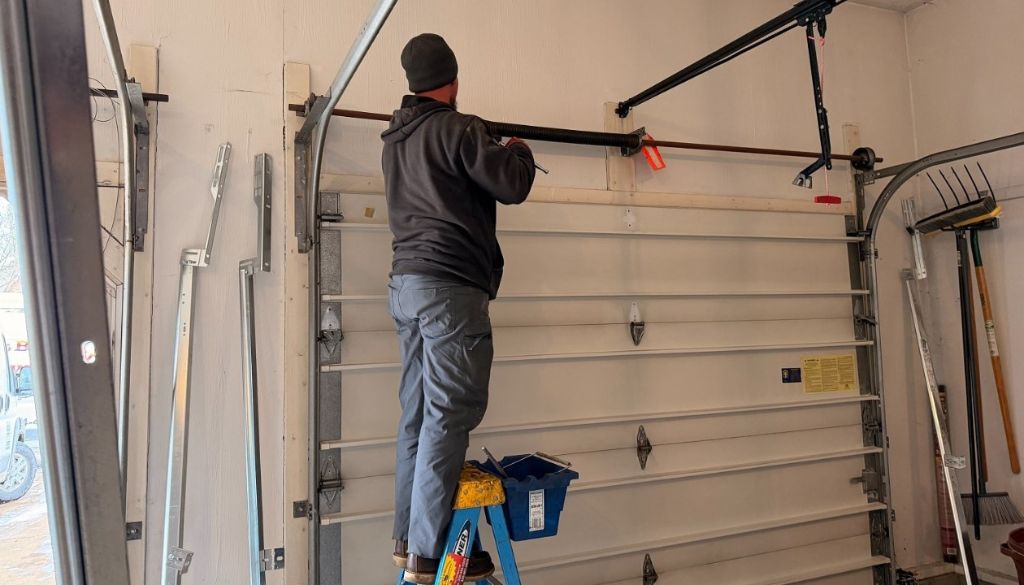
That order saves time and avoids a familiar mistake, trying to fix a garage door by swapping visible components one by one while the system remains fundamentally out of line.
A realistic example from common service patterns
Consider a homeowner who notices that the door reaches the ground unevenly and then reverses. The first assumption is often that the opener is faulty. The remote still triggers the motor, so the homeowner keeps trying, and the door gets nudged into place by hand for a few weeks. Eventually the call comes in as a garage door opener repair request.
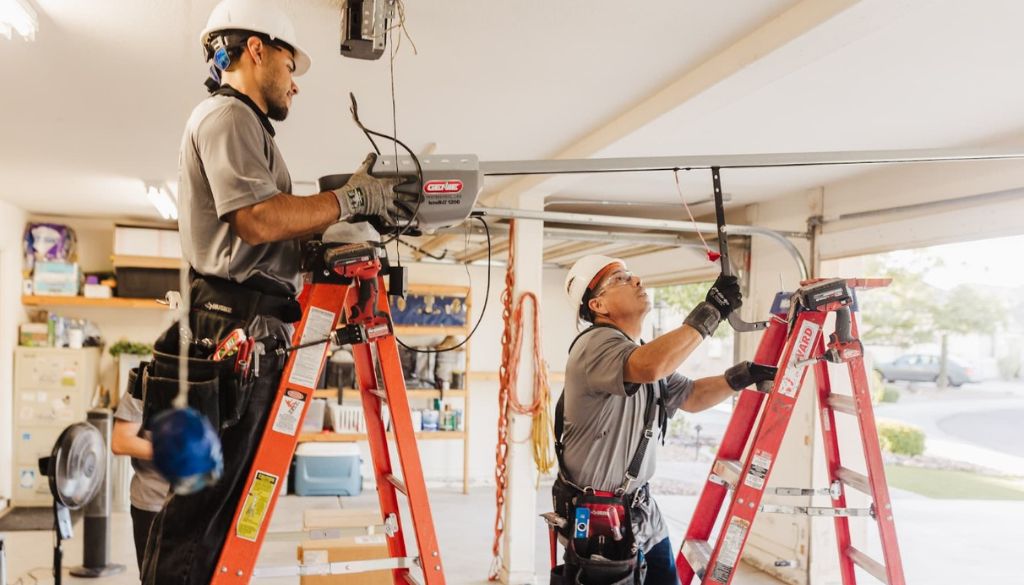
On inspection, the real issue may be broader than the opener. The motor has been working against resistance, the door has not been closing evenly, and there may be a balance issue in the system. If the spring set is worn, replacing only the opener would not solve the root problem. If one spring has failed, replacing both may be the more reliable choice because matching spring performance matters for proper balance.
That example is useful because it shows how a simple symptom, the garage door not closing properly, can point to a layered problem. The right repair is not the part that seems most obvious from inside the car. It is the one that restores proper operation across the whole system.
What homeowners can do, and where to stop
There is a narrow but useful line between sensible observation and unsafe intervention. Homeowners do not need to become technicians to catch problems early. They do need to know what is worth noting.
A practical approach is simple:
- pay attention to changes in sound, speed, and closing position treat repeated reversal or uneven closing as a service issue, not a nuisance avoid adjusting or repairing springs yourself do not assume the opener is the only cause when the door struggles schedule professional servicing about every 12 months, especially in coastal conditions
That last point tends to save the most trouble over time. A regular service schedule is far less disruptive than an emergency breakdown, and it gives the system a better chance of staying dependable through daily use.
Reliability is built through small corrections
Long-term reliability in a garage door does not usually come from one major intervention. It comes from noticing wear early, correcting alignment before strain spreads, and dealing with high-risk components, especially springs, through qualified service.
That is why alignment deserves a more central place in garage door maintenance. It sits at the intersection of smooth operation, safe closing, opener performance, and component life. When alignment is off, the whole system pays for it. When alignment is restored promptly, the benefits show up everywhere else: the door closes properly, the opener works under less strain, and the chances of repeat failures drop.
For homeowners trying to fix garage door problems efficiently, that perspective matters. The goal is not simply to get the door moving again today. The goal is to restore a system that will keep moving reliably months from now, through regular use and in local conditions that can be harder on hardware than many people realize.
A well-aligned garage door does not call attention to itself. It opens, closes, and seals with the kind of consistency people barely notice. That quiet reliability is exactly what good alignment service is supposed to deliver.