A garage door opener usually gets attention only when it stops doing its job. The remote clicks, the light comes on, the motor hums or does nothing at all, and the door stays put. For many homeowners, that moment starts with a search for garage door opener repair. What they often discover is that the opener itself is not the whole story. A failing motor can be the main problem, but the door’s balance, hardware condition, and garage door alignment all shape whether a repair makes sense or a full motor replacement is the better path.
That distinction matters. A new motor fitted to a door with other unresolved faults can struggle from day one. On the other hand, a motor that seems dead may only be reacting to another issue in the system. In real service work, the best outcomes come from looking at the door and opener as a pair, not as separate machines.
When a motor replacement moves from possible to sensible
Not every opener problem calls for a new motor. Some faults are minor, intermittent, or caused by external components. But there are times when repair work reaches a point of diminishing returns. If the motor repeatedly fails to operate the door, behaves inconsistently, or cannot do the work even after basic adjustments elsewhere, replacement becomes a practical option.
Homeowners often describe the issue in plain terms. The garage door not closing properly is one of the most common complaints. Sometimes it reverses. Sometimes it stalls partway. Sometimes it sounds as though the opener is trying but lacks the strength to finish the cycle. Those symptoms do not automatically prove that the motor has failed, but they do raise the right question: is the opener still capable of moving the door reliably?
In homes where the garage door has already seen years of use, the answer may be no. The motor may still receive power, the courtesy light may still switch on, and the remote may still communicate, yet the unit no longer has the consistent performance needed for daily operation. At that point, ongoing repair visits can cost more in inconvenience than a planned replacement.
The signs homeowners notice first
Motor trouble rarely introduces itself with a neat label. It shows up as behavior that feels off. The door may hesitate, make an unfamiliar noise, or stop before reaching the floor. A remote that worked yesterday might need repeated presses today. In some cases, the opener functions well in the morning and struggles later, which can make diagnosis frustrating.
A few symptoms deserve closer attention because they often overlap with motor failure or motor strain:
- The opener makes noise but the door does not complete the opening or closing cycle. The garage door not closing properly becomes a repeated pattern rather than a one-off event. The door movement looks uneven, suggesting the opener is fighting resistance. The motor responds inconsistently to remotes or wall controls. The opener seems to work harder than it used to, even when the door eventually moves.
None of these signs exist in isolation. A door that resists movement can push even a healthy motor toward failure. That is why experienced garage door opener repair starts with observation, not assumptions.
Why the door itself must be checked before replacing the opener
It is tempting to treat the opener as the sole problem because it is the powered component. In practice, the opener depends on the door being in workable condition. If the door is out of alignment, under spring stress, or dragging through the tracks, the motor carries a burden it was not meant to carry alone.
This is where many homeowners make an expensive mistake. They focus on the motor because it is the visible point of failure, then replace it without addressing the condition that wore it down. A new unit may run better for a while, but if the door remains difficult to move, the same cycle can repeat.
Garage door alignment deserves careful attention in these cases. A door that is not tracking cleanly can create resistance throughout the opening and closing cycle. From the homeowner’s perspective, it can look like a weak opener. From a technician’s perspective, it often looks like a system asking too much from the motor. If the aim is to fix garage door performance rather than simply swap parts, alignment and general door condition need to be part of the conversation.
The spring issue that changes the whole diagnosis
One of the most important realities in garage door work is also one of the most overlooked. Springs do the heavy lifting. They are under high tension, and adjusting or repairing them without proper training and tools is dangerous. This is not a minor caution. It is the kind of part that can seriously injure someone who treats it like ordinary household hardware.
A failing or broken spring can make an opener look faulty because the motor is suddenly trying to move a door that is no longer properly counterbalanced. That can present as slow movement, stopping partway, refusal to close properly, or apparent motor burnout. In some cases, the motor may in fact have been damaged by operating against a spring problem.
There is another point worth understanding. When one spring breaks, both springs may need replacement because they usually wear at a similar rate. Mixing an older spring with a new one can create balance issues. That matters directly to opener performance. A motor replacement done without correcting an imbalance can leave the new opener working against uneven forces from the start.
This is one of those areas where a proper diagnosis saves money. A homeowner may think they need garage door opener repair when the real root cause sits in the spring system. Another homeowner may indeed need a new motor, but also need the springs assessed at the same time so the replacement motor is not installed into a flawed setup.
Why coastal and humid conditions deserve a place in the discussion
In regions like the Gold Coast, local conditions can affect garage door hardware more than many people expect. Salt air, humidity, and heat are known to increase maintenance needs. That does not mean every opener in a coastal area is destined to fail early, but it does mean wear can show up in ways that inland homeowners may not notice as quickly.
Corrosion, stiffening hardware, and weather-related deterioration can all add load to the system. A motor that was once comfortably handling the door may begin to struggle as the surrounding components degrade. This is a good example of why the phrase “motor replacement” should not be treated too narrowly. The opener may be the part being changed, yet the conditions around it often explain why the change became necessary.
In practical terms, homeowners near the coast often benefit from a broader service mindset. If you are arranging garage door opener repair and suspect the motor is finished, it makes sense to have the rest of the system checked for weather-related wear as well. That kind of inspection often reveals whether the opener failed on its own or whether the environment has been taking a slow toll on the entire door assembly.
Repair or replace, how the decision usually gets made
There is no honest one-size-fits-all rule here. The better question is whether the existing motor can return to reliable service without leaving other weaknesses unresolved. If the answer is uncertain, replacement may be the cleaner option.
A technician weighing this decision typically looks at how the opener behaves under load, whether the door itself is moving correctly, and whether related components are likely to undermine the repair. If the motor is replaced but the tracks, springs, or alignment remain problematic, the homeowner has paid for a partial solution.
That is why the best garage door opener repair advice often sounds more measured than homeowners expect. It is not always, “Yes, the motor is dead.” Sometimes it is, “The motor is struggling because the door is not operating as it should.” At other times, it is both. The motor has reached the end of the line, and the door needs corrective work so the new unit can perform properly.
There is real value in that nuance. It is the difference between replacing a part and restoring a system.
What a thorough service visit should cover
When a home needs motor replacement, the work should not begin and end with removing one unit and installing another. A careful visit usually includes a broader look at the door’s condition and the causes behind the failure. That is especially important if the original complaint involved a garage door not closing properly or moving unevenly.
A sensible assessment often includes these checks:
- Whether the door appears balanced and free from obvious strain on the opener Whether garage door alignment issues are contributing to drag or uneven travel Whether springs show signs of failure or imbalance, with appropriate safety precautions Whether remotes or related components are part of the problem Whether local wear from humidity, heat, or salt air has affected operation
This is one of the few places where a short checklist genuinely helps, because it highlights how many non-motor factors can shape the result. If the goal is to fix garage door reliability, those factors matter just as much as the replacement unit itself.
Automation upgrades and replacement are often linked
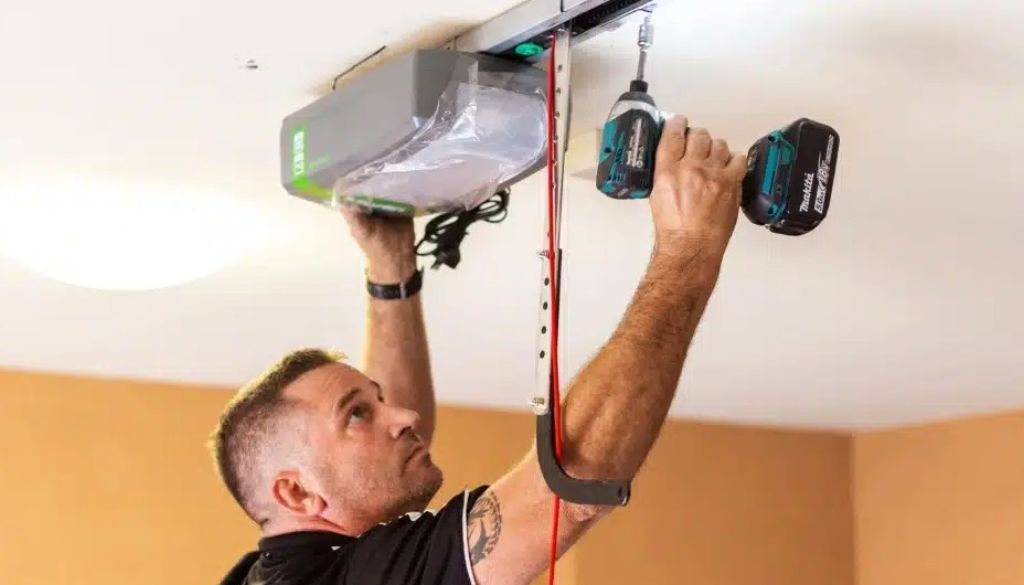
Many service providers handle more than simple repairs. In the Gold Coast area, it is common for businesses to offer repairs, servicing, installations, and replacement of components such as motors, remotes, and springs. Some also explicitly provide motor replacement or installation services tied to automation upgrades for existing garage doors.
That matters because not every home needing a new motor starts from the same point. One homeowner may have an automated door with a failing opener. Another may have an older setup and decide that if the motor work needs doing, this is the right time to modernize how the door operates. The practical question is not whether every house needs an upgrade. It is whether replacement work creates an opportunity to improve convenience and restore dependable use at the same time.
There is a judgment call here. If the current arrangement has already become inconvenient, patching the old setup may feel false economy. If the door itself is in sound condition and the issue is truly isolated, a straightforward motor replacement may be enough. That is why service recommendations should match the house and the door, not a sales script.
A common scenario, and what it usually teaches
A homeowner notices the garage door has started reversing before it fully closes. At first, fix garage door it happens once every week or two. Then it becomes frequent. The remote still works, the opener still powers on, and the assumption is that the motor is failing. A service visit reveals the door is not tracking smoothly. The opener has been compensating for increasing resistance, and the motor has gradually been overloaded.
This kind of case is useful because it shows how symptoms stack up. The complaint sounds electrical or mechanical within the opener, yet the underlying issue includes garage door alignment and possibly wear elsewhere in the system. The motor may still need replacement, but replacing it without correcting the alignment would not really fix garage door operation. It would only postpone the next failure.
That layered diagnosis is typical of real-world garage door opener repair. One fault leads to another. A strained door taxes the motor. A weakened motor exposes balance issues. What looks simple from the driveway often becomes clearer when the full opening cycle is observed.
Why yearly servicing makes a practical difference
At least one Gold Coast garage door business recommends professional servicing every 12 months to help prevent breakdowns and extend the life of the door and motor. That advice is sensible, especially in areas where hardware faces salt air, humidity, and heat.
Annual servicing is not glamorous, but it is often the reason one household avoids a surprise motor failure while another ends up with a non-working door on a busy morning. The value lies less in any single adjustment and more in catching gradual problems before they become expensive ones. A door that starts to drift out of alignment, a spring setup that begins to affect balance, or weather-related wear that adds resistance can all be easier to deal with before the opener is pushed too far.
Homeowners sometimes see servicing as optional because the door still opens. The problem with that logic is that opener motors often fail after a period of compensating for hidden issues. By the time the symptoms feel serious, the motor may already have absorbed more strain than it should.
What not to do when the opener starts failing
The urge to troubleshoot everything personally is understandable, especially when the symptoms appear minor. But garage doors combine heavy moving parts with components that can be hazardous. Springs are the clearest example. Because they are under high tension, they are not suitable for casual adjustment or repair.
Even outside the spring system, repeated attempts to force the opener to run can make matters worse. If the garage door not closing properly becomes a pattern, continued operation may increase strain on the motor or related hardware. That can turn a manageable service call into a larger repair.
A more practical approach is to stop thinking in terms of a single stubborn part and start thinking in terms of system health. If the door looks uneven, sounds strained, or behaves unpredictably, the safest assumption is that something beyond the remote or wall button needs attention.
How homeowners can describe the problem more usefully
One thing that helps any repair process is a clear description of what the door is actually doing. “It’s broken” is understandable, but details make diagnosis faster and often more accurate. Whether the door stalls, reverses, hums without moving, or only fails during closing all points the service visit in a better direction.
This becomes especially relevant when homeowners use broad phrases like garage door opener repair to describe the issue. That phrase may be correct, but adding the visible behavior helps separate motor failure from alignment trouble or spring-related strain. If the door seems crooked as it moves, mention that. If the opener sounds active but the door does not finish its travel, mention that. If the problem is specifically that the garage door not closing properly has become routine, that detail matters.
Good repair decisions begin with good information, even when the homeowner is not expected to diagnose the cause.
The real goal is reliable operation, not just a new part
A motor replacement can absolutely be the right answer. In many homes, it is the cleanest way to restore dependable access and remove the guesswork from a failing opener. But the replacement works best when it is treated as part of a larger effort to fix garage door operation properly.
That means checking whether the door is balanced, whether garage door alignment is contributing to resistance, whether spring issues are affecting opener load, and whether local conditions have accelerated wear. It also means accepting that some problems overlap. A worn motor can exist alongside poor alignment. A spring issue can make an opener seem weaker than it is. Coastal conditions can shorten the margin between “working” and “about to fail.”
For homeowners, the practical takeaway is simple. If your opener is struggling and motor replacement is on the table, ask for the door to be assessed as a whole. That approach tends to produce longer-lasting repairs, fewer repeat breakdowns, and a better result than changing the most obvious part and hoping the rest sorts itself out. When the system is looked at properly, garage door opener repair becomes less about chasing symptoms and more about restoring the door to smooth, safe, dependable use.