Understanding Garage Door Track Alignment
Garage door track alignment refers to ensuring the metal door tracks on either side of the garage door are properly positioned and straight, allowing the door rollers to move seamlessly as the door opens and closes. Door tracks are usually made of robust metal, designed to guide the door panels securely along a fixed path with the aid of track brackets and rollers.
Proper track alignment is essential for maintaining door balance and preventing door sagging or bending, which can cause stiffness and uneven movement. Misaligned tracks place undue stress on the door’s hinges, springs, and opener mechanism, often leading to increased wear and costly repairs if neglected.
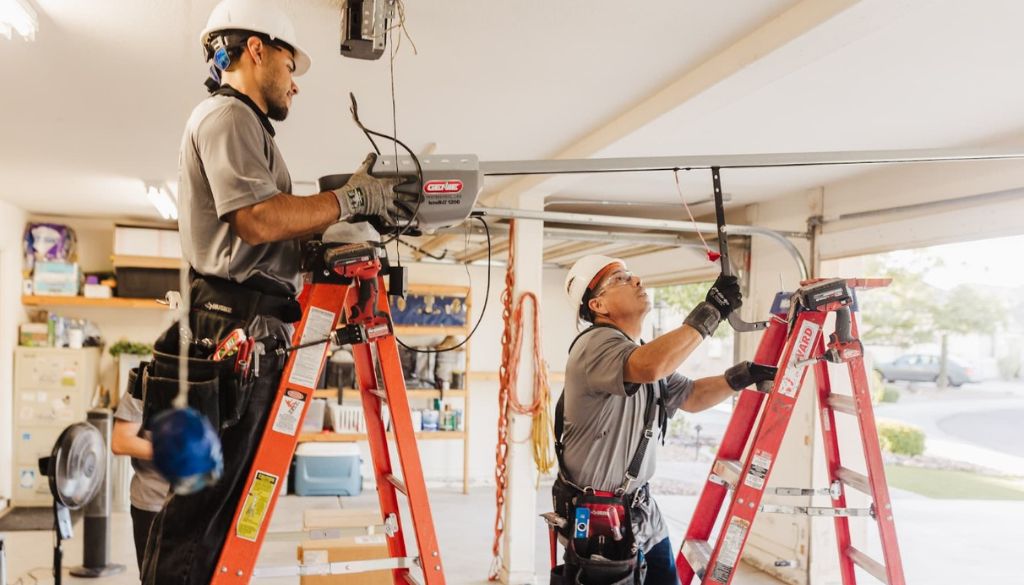
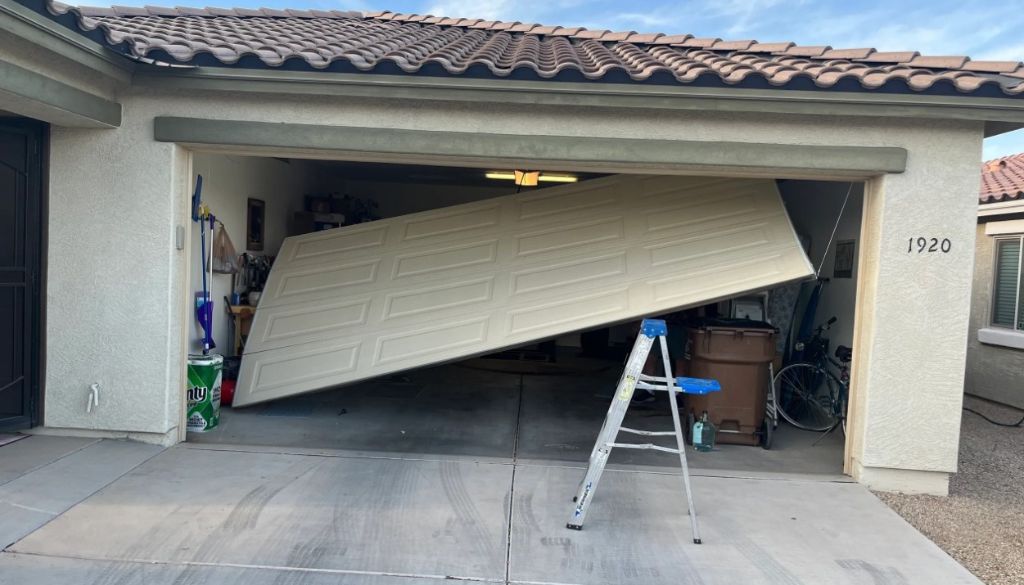
Regular inspection and maintenance of the door tracks, including track straightening when needed, keep your garage door operating safely and efficiently in all weather conditions.
Common Causes of Track Misalignment and Damage
- Track Wear and Tear: Over time, constant use and exposure to weather elements can cause metal tracks to warp or rust. Door Bending: Heavy impact or improper installation can bend door panels or tracks, disrupting alignment. Roller Wheel Issues: Worn or damaged rollers might not fit well in the tracks, causing friction and misalignment. Cable Drum Problems: Malfunctioning cable drums or pulley systems can create uneven tension, pulling the door off track. Pulley System Failures: Broken or stretched pulleys affect the door’s ability to move smoothly within the tracks. Garage Door Cables: Frayed or snapped cables can cause uneven lifting forces, impacting track positioning.
Signs You Need Garage Door Track Repair
Recognising early warning signs helps prevent severe damage to the garage door system. Watch for these common symptoms indicating track repair is necessary:
- Door Stiffness: The door is hard to open or close manually or via the automatic opener. Door Panels Misalignment: Visible gaps or uneven spacing between door panels during operation. Unusual Noises: Grinding, squeaking, or scraping sounds coming from the door mechanism or tracks. Door Not Closing Properly: The door stops before reaching the floor or closes unevenly. Door Shaking or Wobbling: Noticeable movement or vibrations as the door moves along the tracks.
How to Diagnose Track Alignment Problems
Diagnosing track alignment issues involves careful inspection and using specific alignment tools to gauge the door’s performance and track condition. Here are key steps for effective diagnosis:
- Alignment Tools: Use a level or laser alignment tool to check if tracks are perfectly vertical and aligned parallel to each other. Door Adjustment: Observe the door’s movement to identify any sticking points or uneven travel paths. Manual Release Check: Disengage the automatic opener using the emergency manual release to test door movement by hand. Safety Sensors Inspection: Ensure sensors are correctly aligned and not obstructed, as sensor faults can mimic track problems.
Step-by-Step Guide to Aligning Garage Door Tracks
Aligning garage door tracks requires patience and the right approach. Follow this checklist to restore proper track alignment:
- Track Cleaning: Remove dirt, debris, and rust from the tracks using a damp cloth and non-abrasive cleaner. Track Lubrication: Apply a silicone-based lubricant or garage door-specific lubricant evenly along the tracks and rollers to reduce friction. Track Straightening Methods: Gently tap bent sections of metal tracks back into place with a rubber mallet or carefully loosen track brackets and reposition the track. Hinge Replacement: Replace damaged or worn hinges to ensure smooth panel connection and alignment. Roller Wheel Replacement: Swap out old or broken roller wheels to prevent binding and support smooth movement within the tracks. Door Balance Testing: Disconnect the opener and manually lift the door halfway; it should stay in place if balanced correctly. Adjust spring tension if needed.
Garage Door Track Repair Tips and Best Practices
Effective track repair goes beyond mere alignment. Here are some expert tips and industry best practices to prolong the life of your garage door system:
- Track Repair Techniques: Avoid excessive force on tracks—use gradual adjustments and ensure brackets are securely fastened after alignment. Spring Tension Adjustment: Tune torsion or extension springs carefully to maintain proper door balance, avoiding over-tightening that could harm the tracks. Cable Replacement: Replace frayed or damaged lift cables promptly to prevent sudden snapping and track damage. Lift Cables Maintenance: Regularly inspect and lubricate cables and pulleys to minimise wear and misalignment issues. Door Limit Switch Adjustment: Calibrate limit switches on automatic openers to stop the door at the correct open and closed positions, reducing strain on tracks. Door Sagging Correction: Address sagging by adjusting hinges and springs; persistent sagging might require professional intervention.
Our Sponsor
A1 Garage Doors Gold Coast
A1 Garage Doors Gold Coast is a Bundall-based garage door specialist serving the southern Gold Coast and surrounding suburbs with installation, repair, maintenance, and emergency garage door services. The company specializes in sectional doors, roller doors, garage door openers, spring and cable replacement, opener motor repair, smart-enabled installations, and 24/7 emergency call-outs across Robina, Burleigh Heads, Surfers Paradise, Nerang, Coomera, and the wider Gold Coast region.
Address:
1 Waterford Court,
Bundall,
QLD
4217,
Australia
Phone: (07) 5515 0277
Business Hours:
- Open 24/7 — Including After-Hours and Emergency Call-Outs
Follow Us:
Safety Precautions When Repairing Garage Door Tracks
- Emergency Release: Familiarise yourself with the manual emergency release mechanism to disengage the door from the opener safely during repairs. Safety Locks: Use safety locks and supports to prevent the door from accidentally closing while working on it. Garage Door Servicing Best Practices: Always work with the door fully supported and avoid adjusting springs or cables without appropriate knowledge or tools. Safety Sensors: Ensure safety sensors are operational and correctly aligned to prevent accidents during door testing.
Recommended Tools and Products for Track Alignment and Repair
Having the right tools and supplies makes garage door track repair easier and more effective. Here’s a list of highly recommended items:
- Alignment Tools: Levels, laser alignment devices, and measuring tapes for precise track placement. Lubricants for Track: Silicone spray, lithium-based grease, or garage door-specific lubricants designed for metal-to-metal contact. Replacement Roller Wheels: Nylon or steel rollers compatible with your garage door model. Metal Track Brackets: Heavy-duty replacement track brackets to secure and stabilise tracks. Garage Door Hardware Kits: Comprehensive kits including hinges, rollers, nuts, bolts, and cables for various repair needs.
When to Call a Professional for Garage Door Track Repair
While many minor track issues can be addressed by homeowners, certain problems warrant professional expertise to ensure safety and lasting fixes. Consider calling a specialist if you experience:
- Motor Repair: Malfunctions in the door opener motor or electrical components. Automatic Opener Issues: Persistent problems with the remote control or opener mechanism integration with tracks. Complex Spring Repair: Adjusting or replacing torsion and extension springs, which carry high tension and pose safety risks. Persistent Alignment Problems: Recurring misalignment despite multiple DIY attempts. Noisy Door Mechanism: Excessive grinding, banging, or squealing that may indicate deeper mechanical failures.
Garage Door Maintenance Tips to Prevent Track Misalignment
Regular maintenance is your best defence garage door replacement goldcoastgaragedoorrepair.com.au against garage door track issues. Implement these simple yet effective practices:
- Regular Track Cleaning: Remove dirt and debris monthly to prevent buildup that can cause friction and misalignment. Track Lubrication Schedule: Lubricate tracks and rollers every three to six months to maintain smooth operation. Weather Seals and Bottom Seal Maintenance: Inspect seals for wear, as damaged seals can allow debris or moisture that affects track condition. Roller and Hinge Inspection: Routinely check and replace worn rollers and hinges before they cause track damage. Door Insulation Benefits: Adding insulation reduces temperature-related expansion or contraction, helping door panels and tracks remain steady.
Frequently Asked Questions (FAQs)
What causes garage door tracks to become misaligned?
Tracks can misalign due to physical impacts, general wear and tear, faulty rollers, cable or spring issues, and improper installation.
Can I fix garage door track alignment myself?
Yes, minor misalignments and cleaning can be done with proper tools and precautions. However, complex repairs are best handled by professionals for safety reasons.
How often should garage door tracks be maintained?
It’s recommended to clean and lubricate tracks every three to six months to prevent build-up and wear.
What tools do I need to align a garage door track?
Essential tools include a level, rubber mallet, socket set, lubricant spray, screwdrivers, and possibly a laser alignment tool for precision.
How much does professional garage door track repair cost?
Costs vary depending on the extent of damage and location but typically range from $150 to $500 in Australia for standard repairs.
How do I know if my garage door springs affect track alignment?
If the door is unbalanced or difficult to lift and there’s visible sagging, springs may be contributing to track misalignment and should be inspected.
What safety precautions should I take when repairing garage door tracks?
Always disconnect the power, use safety locks, avoid working on springs unless qualified, and ensure the door is supported securely before repairs.
Why is my garage door making noise after track repair?
Noise can arise from inadequate lubrication, loose hardware, or misaligned rollers; applying proper lubrication and tightening components often resolves this.
How to adjust garage door rollers for better track alignment?
Loosen the roller bracket screws slightly, reposition the roller in the track for smoother movement, then retighten securely.
When should I replace garage door tracks completely?
Replace tracks if they are severely bent, rusted, cracked, or if multiple repairs no longer restore proper function.
In conclusion, garage door track alignment and repair are vital for the long-term durability and safety of your garage door system. By regularly inspecting tracks, recognising signs of wear, and applying timely repairs or adjustments, you can ensure smooth operation and avoid costly replacements. Whether you choose a DIY approach or hire a professional, prioritising safety and using the right tools are key. For persistent or complex issues, professional garage door technicians provide expert service and peace of mind, keeping your home secure and convenient year-round.