A garage door is easy to treat as a convenience item until storm season puts it in a different category. In cyclone-prone parts of Queensland, it becomes part of the building envelope, and that changes the standard completely. Government guidance is clear on the main point: a garage door should comply with AS/NZS 4505 and be correctly rated for wind pressure, or it should have a bracing system that can be installed before a cyclone. That is not fussy paperwork. It reflects the simple reality that when a garage door fails under wind load, the problem rarely stays at the garage.
Once wind gets into the house through a failed opening, the damage can escalate. Roofs, walls, and internal pressure loads can all become part of the story. That is why garage doors belong high on any pre-season resilience plan, along with roofs, windows, and outdoor items that can become airborne. Homeowners often spend time on generators, sandbags, and trimming trees, which all matter, but a weak or neglected garage door can still leave a home exposed.
The conversation usually starts with panels, because panels are visible. In practice, the less glamorous parts often deserve equal attention. Garage door tracks, the condition of the frame, the availability and fit of any bracing system, the reliability of garage door openers, and the overall suitability of the door itself all deserve a hard look before the weather turns. If a door is old, non-compliant, or poorly supported, garage door replacement can be one of the more practical resilience upgrades a homeowner makes.
Why tracks matter more than most people think
Tracks do not carry the whole system by themselves, but they guide every movement of the door and help keep the assembly where it is supposed to be. If the tracks are out of alignment, loose, bent, or poorly fixed, the door can rack, bind, or sit unevenly. That is a nuisance on a calm day. Ahead of a cyclone, it is a warning sign.
The issue is not simply whether the door opens and closes. Plenty of doors still move despite problems in the track system. What matters before severe weather is whether the door sits properly in its opening, closes squarely, and works with the frame and any bracing as intended. A track that has shifted over time can create gaps, reduce smooth travel, or stop a brace from fitting correctly when it is finally needed. In a last-minute storm preparation rush, that is exactly the kind of small defect that turns into a large problem.
I have seen homeowners focus on lubricating rollers or resetting remotes while overlooking obvious movement where the track meets the wall structure. The door still “works,” so it feels serviceable. Yet storm preparation is not about convenience. It is about whether the system performs when wind pressure changes the loads dramatically. A door that chatters, twists, or catches in one section of travel is telling you something. Even if it still operates, it should not be treated as ready without closer assessment.
Queensland’s cyclone guidance places garage doors in the resilience category for a reason. If a door needs a bracing system, the tracks and surrounding frame need to be in the right condition for that system to be installed before a cyclone. If the hardware is damaged or the geometry has changed over the years, the existence of a brace in the shed may offer less protection than the owner assumes.
Bracing is not an afterthought
A lot of garage doors in cyclone areas are discussed in terms of one of two paths. Either the door is wind rated and compliant, or it relies on a bracing system that can be installed before a cyclone. The common mistake is treating bracing as a box-ticking accessory rather than an essential part of the door’s storm function.
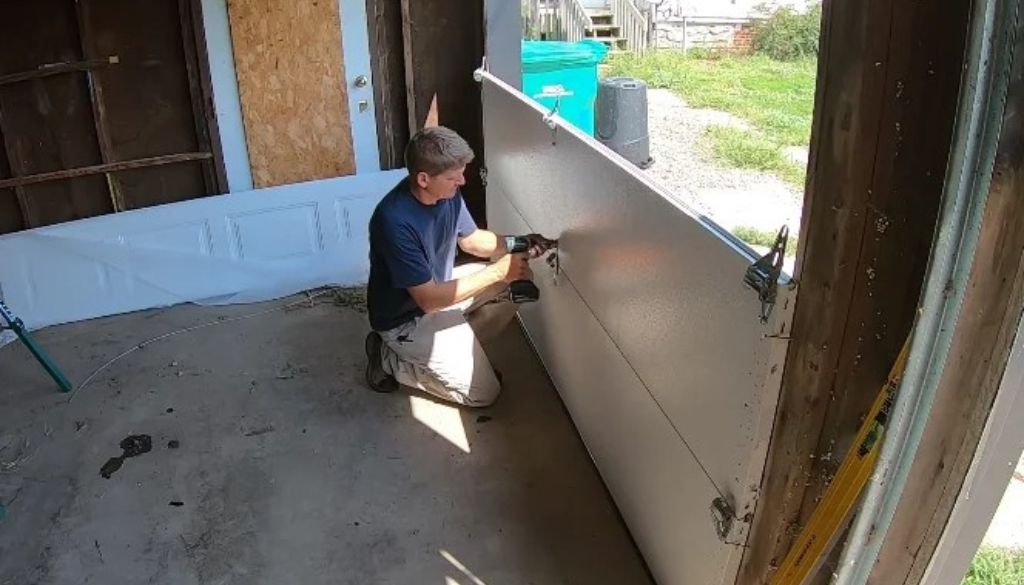
A usable bracing system has to be present, accessible, complete, and familiar. “Somewhere in the garage” is not a useful storage system if warnings are issued and the A1 Garage Doors Southport QLD space is full of bikes, shelving, or boxes. It also has to suit the current door and frame. If the door has been repaired over time, or if hardware has shifted, the points where the braces fit may not behave as expected. A pre-season check matters because cyclone preparation is rarely calm. People are securing furniture, moving vehicles, checking batteries, and trying to finish outdoor work before conditions deteriorate. The less guesswork involved, the better.
Bracing also needs to be considered alongside the broader advice from Queensland agencies to prepare before storm season and to go outside only after it is officially safe. That timing matters. A brace you have never test-fitted, or one that requires clearing years of clutter to access, is a weak plan. The right moment to discover a missing fastener or warped fitting is not when warnings are already active.
For attached garages, the stakes can be even higher. A compromised garage door does not just affect stored items and vehicles. It can change the way the home itself responds under storm pressure. That is why some older doors become clear candidates for garage door replacement rather than endless patchwork maintenance.
The frame, the tracks, and the opening have to work together
Homeowners often talk about “the door” as though it is one object. It is really a system. The panels, frame, tracks, fixings, opener, seals, and sometimes bracing all interact. When Queensland housing guidance identifies replacement of existing garage doors and frames with wind-rated versions as a resilience measure, it acknowledges that the supporting structure matters as much as the leaf of the door.
This is where judgment becomes important. Not every issue means the whole door must be replaced. A door can have a minor service need and still be suitable. But if the frame is non-compliant, if the opening has been altered, or if the door is not wind-rated and there is no practical, reliable bracing option, then garage door replacement starts to look less like an upgrade and more like overdue risk reduction.
That decision becomes easier when you look beyond the upfront price. Homeowners understandably hesitate at replacement costs. Yet resilience work is often about avoiding much larger losses. Queensland materials specifically note that non-compliant garage doors can be a cost-effective replacement target to improve cyclone resilience. That does not mean every old door is automatically dangerous. It means the garage door is one of the building components where a well-chosen upgrade can materially improve the home’s performance in severe weather.
Where garage door springs fit into the picture
Garage door springs deserve respect in any maintenance conversation, and before cyclone season they deserve realism. Their main job is to counterbalance the door so it can move properly. If the springs are worn or the balance is off, the door may become hard to lift, may not stay in position as intended, or may put extra strain on the opener and track system.
That said, the storm-preparation priority is not to tinker with springs casually. The practical point for homeowners is observation and professional assessment where needed. If the door has become noticeably heavier, jerky, noisy, or unreliable, those are reasons to have it checked before the season tightens. Springs affect how cleanly the door closes and how well the whole assembly behaves. A door that is out of balance can sit poorly in the opening, place uneven load on garage door tracks, and complicate the use of any temporary bracing.
There is also a sequencing issue here. People sometimes think, “The opener still drags it up, so it’s fine.” That is a poor test. Garage door openers are not meant to compensate for a struggling mechanical system. If the springs are not doing their share, the opener and track hardware often take the abuse. That can leave you with a door that is technically operable right up until the moment you need certainty from it.
Openers are useful, but not the core resilience measure
Garage door openers have their place in storm preparation, but they are secondary to the structural integrity of the door assembly. The opener should work properly, the remote access should be dependable, and the household should know how to secure the garage as part of wider severe weather preparation. Queensland agencies also advise homeowners to unplug electrical items as part of storm preparation. In practical terms, that means the convenience of the opener cannot be your only plan.
A good pre-cyclone check asks simple questions. Does the door close fully and consistently? Is the opener operating a well-maintained door, or is it masking a deeper issue with tracks, springs, or alignment? If power is interrupted or electrical items are unplugged as part of preparation, can the household still manage the door safely? Those are not dramatic concerns, but they are the sort that surface at the worst times.
Vehicles are part of this discussion too. Official advice includes parking vehicles under shelter if possible. For many households, that means the garage must remain accessible until late in the preparation cycle. A door that sticks halfway, reverses unpredictably, or cannot be secured properly creates pressure when time is short. If you rely on the garage for storm parking, the door should be checked well ahead of warnings, not when the driveway is already full and the weather is turning.
What to inspect before storm season
Most homeowners do not need an elaborate engineering checklist to spot early signs of trouble. They need a disciplined walk-through with the right priorities in mind.
- Look for visible movement, bending, looseness, or damage in the garage door tracks and at their fixing points. Confirm the door closes squarely in the opening and does not rack, bind, or leave obvious uneven gaps. Locate any cyclone bracing system, check that it is complete and accessible, and make sure it suits the current door and frame. Note signs that garage door springs or the opener are compensating for a door that is no longer moving cleanly. If the door or frame appears non-compliant, outdated, or poorly suited to cyclone conditions, seek advice on wind-rated garage door replacement.
That list looks modest, but it catches many of the common failures in preparation. The key is honesty. If the door has been “a bit temperamental for years,” that is not a harmless quirk in cyclone country.
The value of a dry run
One of the more overlooked habits in storm preparation is the rehearsal. Queensland guidance emphasises preparing before storm season, and that is especially relevant to garage door bracing. If the system is meant to be installed before a cyclone, then the first fit should happen on a clear day, not under pressure.
A dry run answers practical questions fast. Can you reach the bracing without unloading half the garage? Do the pieces fit as expected? Has corrosion, wear, or some later alteration to the frame changed the fit? Is the area around the door clear enough to install the system without delay? None of these are theoretical concerns. In real homes, garages accumulate storage, shelving moves, doors are serviced by different contractors over the years, and details drift.
This is also the right time to decide whether the existing arrangement still makes sense. If the bracing process is awkward, if parts are missing, or if the door’s condition undermines confidence, a more durable fix may be the smarter option. That may mean targeted repairs, or it may point toward garage door replacement with a wind-rated system.
When replacement is the sensible call
There is a tendency to frame replacement as the most expensive path and therefore the last resort. In some cases, that is true. In others, it is backwards. If a garage door is non-compliant, if the frame is part of the weakness, or if the door depends on a bracing arrangement that is incomplete or no longer practical, repeated small fixes may simply delay the inevitable.
Queensland housing guidance specifically includes replacing existing garage doors and frames with wind-rated versions as part of resilience work. That gives homeowners a useful benchmark. Replacement is not just cosmetic, and it is not only for doors that have already failed. It is part of storm-hardening the home.
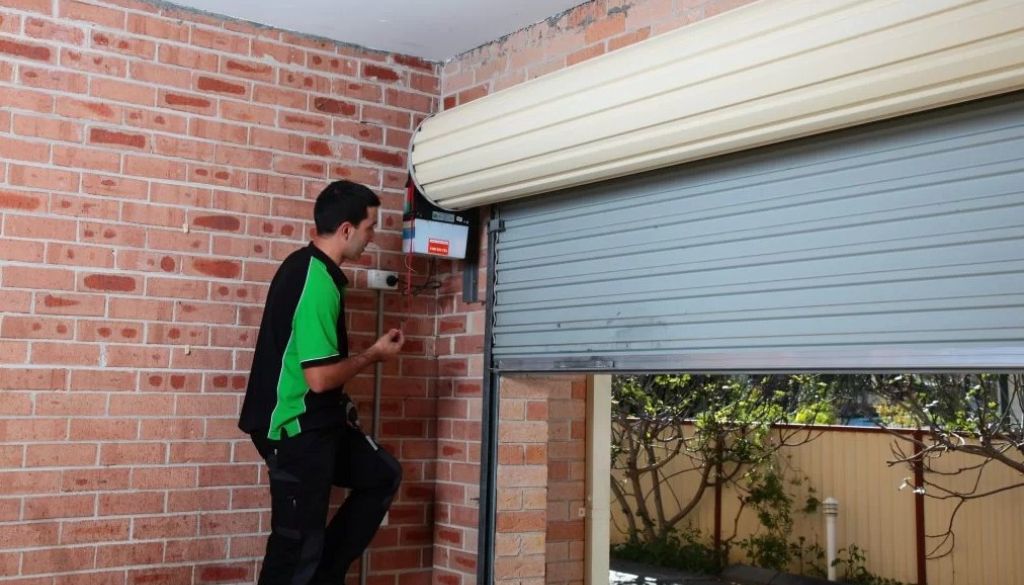
The trade-off usually comes down to timing and confidence. A service call might restore smoother travel, but it does not change the wind rating of an unsuitable door. New rollers may quiet the operation, but they do not make a non-compliant frame fit for cyclone exposure. The best decision is the one that addresses the actual risk, not the most visible symptom.
Do not separate storm resilience from day-to-day maintenance
Some of the most effective cyclone preparation happens long before a warning is issued. Regular maintenance keeps defects small enough to solve on your schedule. It also helps you tell the difference between a door that needs ordinary service and one that needs a strategic upgrade.
This matters because garage doors often fail by degrees. Tracks shift slightly. The opener strains a little more. The bottom edge no longer seals cleanly. The household adapts. People learn the trick of pressing the remote twice, lifting the door with more force, or ignoring the scrape on one side. Then storm season arrives and the same door is expected to perform under entirely different conditions.
Even seemingly unrelated details can support a more resilient garage. Australian energy-efficiency guidance notes that draught stoppers at the base of doors can help reduce heat loss. For attached garages, that kind of attention to the lower edge can improve day-to-day comfort and make people more aware of how well the door actually sits in its opening. It is not a cyclone measure by itself, but it encourages the habit of noticing gaps, wear, and poor sealing instead of living with them indefinitely.
Safety and product quality still matter
Any garage-door-related component sold under a mandatory safety standard must meet the relevant criteria before sale. That general product-safety principle supports a simple mindset for homeowners: treat the garage door system as safety-critical, not just convenient. Cheap accessories, improvised fixes, and mismatched parts can create uncertainty at the exact moment you need predictable performance.
That does not mean every job requires full replacement or a major package of works. It means the standard for “good enough” should rise when the door forms part of the home’s cyclone defence. Where guidance recommends working safely or using a qualified contractor to secure vulnerable parts of the home, a garage door is an obvious place to apply that advice. Tracks, frames, springs, and bracing interact in ways that are not always obvious from the floor of the garage.
A practical pre-cyclone routine for the garage
The final preparation phase should be calm, deliberate, and finished before conditions deteriorate. Once a storm is near, the priority is executing a plan, not inventing one.
- Secure loose outdoor items and keep the area around the garage clear. Park vehicles under shelter if possible, without leaving the garage so crowded that the door cannot be secured properly. Install any approved bracing system before the weather becomes unsafe. Unplug electrical items as advised, remembering that the opener is only one part of the garage setup. Stay inside and only go outside again after it is officially safe.
That routine lines up with official severe weather guidance and keeps the garage in its proper place within the bigger household plan.
The homes that fare better usually do the boring things early
There is rarely one dramatic act that makes a property cyclone-ready. More often, it is the accumulation of ordinary decisions made early enough to matter. A homeowner checks whether the garage door is actually wind-rated. The bracing kit is located and test-fitted. The tracks are inspected before they become visibly distorted. A struggling opener leads to a proper service visit instead of months of postponement. An old, non-compliant door is replaced before it becomes the weak point of the house.
Garage doors do not need to be overcomplicated, but they do need to be taken seriously. In Queensland, the official guidance already tells the story. The door should comply with AS/NZS 4505 and be correctly rated for wind pressure, or it should have a bracing system that can be installed before a cyclone. Failure can let wind into the house and increase broader damage. Replacement of non-compliant doors and frames can be a sensible resilience measure.
For homeowners deciding where to focus limited time and money before cyclone season, garage door tracks and bracing deserve to move up the list. Not because they are glamorous, and not because they sell well, but because they often determine whether the largest opening in the front of the house behaves like a shield or a weakness when the pressure rises.